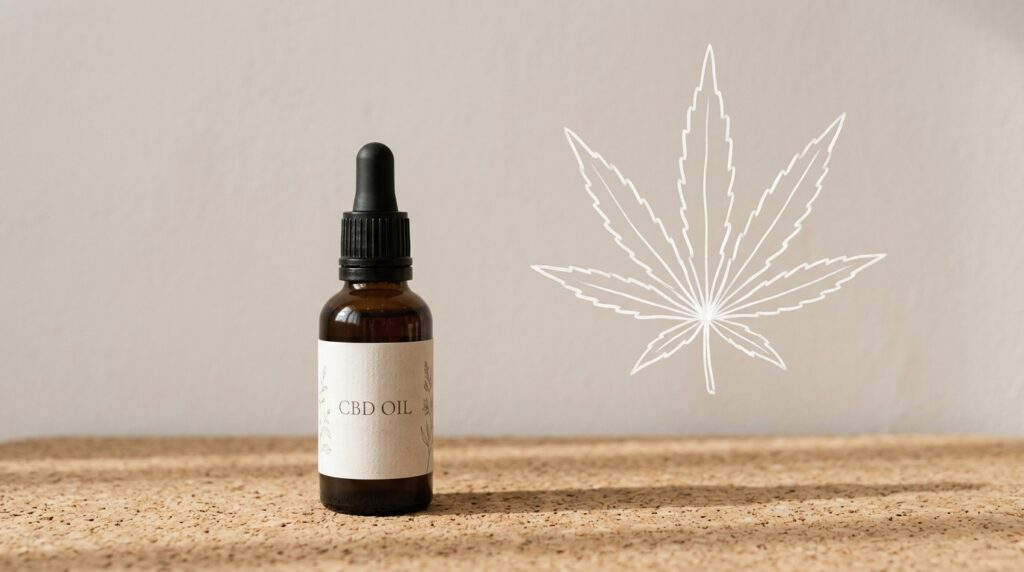
Choosing a hemp-derived product can be confusing when several bottles appear similar but contain different concentrations, ingredients, and testing information. Packaging may feature terms such as pure, natural, organic, or premium, yet these descriptions do not necessarily establish product quality. A more reliable assessment starts with measurable details, including cannabinoid content, manufacturing practices, laboratory results, and ingredient transparency.
CBD Oil is commonly produced by combining a cannabidiol extract with a carrier oil. The quality of the finished product depends on the source material, processing methods, storage conditions, and accuracy of the label. Consumers who understand these factors can compare products more effectively and recognize warning signs before making a purchase.
The Main Factors That Affect Product Quality
Quality begins with the hemp used to produce the extract. Plant variety, growing conditions, harvesting practices, and post-harvest handling can influence the chemical composition of the raw material. Soil quality and agricultural inputs may also affect the presence of unwanted substances in the plant.
Manufacturing introduces additional variables. Extraction can separate cannabinoids and other plant compounds from hemp material, while later processing may remove selected components or concentrate particular substances. Poorly controlled procedures can leave residual solvents or create inconsistencies between batches.
The carrier oil matters as well. Medium-chain triglyceride oil, hemp seed oil, and other edible oils have different properties, shelf lives, and nutritional profiles. The carrier does not determine the cannabidiol concentration by itself, so the amount of CBD must be verified separately.
Why Ingredient Transparency Matters
A clear ingredient list helps buyers identify what is actually in the bottle. It should specify the carrier oil, cannabidiol extract, and any flavorings or additional ingredients. Vague descriptions can make it harder to evaluate potential allergens, sensitivities, or unwanted additives.
The product description should also distinguish CBD extract from hemp seed oil. Hemp seed oil is commonly used in food and skincare products, but it does not naturally provide the same cannabidiol content as an extract made from cannabinoid-containing parts of the plant. A label that uses these terms interchangeably deserves closer scrutiny.
How to Interpret Third-Party Laboratory Testing
Independent laboratory testing can help determine whether a product matches its label. Results are commonly presented in a certificate of analysis, or COA. This document may report cannabinoid concentrations and screen for contaminants that could affect safety.
A useful COA identifies the tested product, the laboratory, the sample or batch number, the date of analysis, and the testing methods where available. The batch identifier should match the bottle being considered. A report for an older batch does not automatically verify the composition of a newer production run.
What a Laboratory Report Should Show
Different tests answer different questions. A cannabinoid profile estimates the concentrations of CBD, THC, and other measured cannabinoids. Contaminant testing examines whether particular unwanted substances were detected within the scope of the laboratory’s methods.
When reviewing a report, look for these details:
- Cannabidiol concentration, expressed in suitable units such as milligrams per gram or milligrams per milliliter.
- THC results, including the specific form measured when reported.
- Screening for relevant pesticides and heavy metals.
- Residual-solvent results when solvent-based extraction is used.
- Microbial testing where appropriate for the product type.
- Clear reporting limits and pass or fail criteria when provided.
A result marked as not detected does not always mean that a substance is completely absent. It can mean that the substance was below the laboratory’s detection or reporting limit. The applicable limit helps explain what the result actually establishes.
Laboratory accreditation and testing competence also matter. A report from an identifiable laboratory with appropriate methods offers more useful evidence than an unattributed document or a generic badge printed on packaging.
Understanding Concentration and Label Accuracy
The amount of cannabidiol in a bottle is different from the concentration in each milliliter. Confusing these measurements can lead to incorrect comparisons between products.
Consider a hypothetical bottle containing 1,200 mg of CBD in 30 mL of liquid. Dividing the total CBD content by the liquid volume gives a nominal concentration of 40 mg per milliliter. A different bottle could contain 600 mg in the same volume, which equals 20 mg per milliliter.
These calculations describe concentration only. They do not indicate an appropriate personal dose, establish effectiveness, or show whether the product is safe for a particular individual.
A Simple Comparison Method
When evaluating two products, record the same measurements for each one.
| Measurement | Product A | Product B |
|---|---|---|
| Bottle volume | 30 mL | 30 mL |
| Total stated CBD | 1,200 mg | 600 mg |
| Calculated concentration | 40 mg/mL | 20 mg/mL |
| Batch-specific COA | Check availability | Check availability |
| Ingredient list | Review label | Review label |
This example uses hypothetical figures for illustration. The calculations are useful for comparing labeled concentration, but they do not establish that either product has been independently verified.
Price comparisons require similar care. A lower-priced bottle may contain less CBD, while a higher-priced product may include additional ingredients or testing services. Comparing price per milligram can clarify the cost difference, but laboratory evidence and formulation suitability remain separate considerations.
Storage, Packaging, and Product Stability
Cannabidiol products can change over time when exposed to unsuitable storage conditions. Heat, light, oxygen, and repeated contact with air may contribute to changes in the oil or some of its constituents. The exact rate depends on the formulation, packaging, and storage environment.
Dark or opaque packaging may reduce light exposure. A well-sealed cap can limit contact with air, while clear storage instructions help consumers avoid unnecessary deterioration. Packaging alone, however, cannot guarantee stability or product purity.
Everyday Storage Practices
Follow the manufacturer’s instructions rather than assuming every oil requires refrigeration. Some formulations may become thicker in cold conditions, while others are intended for ordinary room-temperature storage.
Practical precautions include:
- Store the bottle away from direct sunlight and heat sources.
- Close the cap firmly after each use.
- Keep the original label and batch number readable.
- Observe the stated expiration or best-before date.
- Avoid using a product if its packaging is damaged or its contents show unexpected changes in smell, appearance, or texture.
- Keep the bottle inaccessible to children and pets.
Changes in appearance do not always prove that a product is unsafe, and a normal appearance does not prove that it is safe. When a product seems altered or its storage history is uncertain, the manufacturer or a qualified pharmacist may be able to provide more specific guidance.
Claims, Certifications, and Marketing Language
Words on packaging can sound authoritative without having a consistent technical meaning. Terms such as clean, natural, pure, and premium do not independently demonstrate that a CBD product contains the advertised amount or meets a defined safety standard.
Organic certification is also distinct from cannabinoid testing. An applicable certification may address agricultural practices and permitted production methods, but it does not automatically establish the CBD concentration, absence of THC, or absence of every contaminant.
A quality assurance statement is more useful when it identifies the actual standard, certifying body, or testing process. Buyers should be able to determine what was assessed and which product or facility was covered.
Warning Signs to Recognize
Several claims warrant additional scrutiny:
- Promises to cure cancer, eliminate chronic disease, or replace prescribed medication.
- Claims of guaranteed effects for every user.
- Laboratory reports that cannot be connected to a particular batch.
- Labels that omit the amount of CBD or provide inconsistent measurements.
- Unclear manufacturer details or missing ingredient information.
- Statements that a product is government-approved without identifying the relevant authorization.
In the United States, the Food and Drug Administration has approved a specific prescription cannabidiol medicine for certain seizure disorders. That approval does not mean every retail CBD oil is approved as a medicine. Other countries maintain their own regulatory systems, and authorization in one jurisdiction does not automatically apply elsewhere.
Regulations and Responsible Purchasing
CBD laws differ according to location, product composition, intended use, and the source of the extract. Requirements may address THC limits, manufacturing standards, product registration, importation, labeling, and permitted health claims.
Consumers in the Philippines should consult current guidance from the Food and Drug Administration and other relevant authorities before buying or importing CBD products. A product listed on an international shopping platform may still be subject to local restrictions. Buyers should verify the applicable requirements rather than rely solely on a seller’s description.
Responsible purchasing also includes considering whether a nonprescription product is appropriate for the intended purpose. People who take regular medication or have an ongoing health condition should ask a qualified healthcare professional about potential interactions. CBD may affect the processing of certain medicines and can cause adverse effects, including drowsiness, diarrhea, and changes in liver-related laboratory results.
Final Thoughts
Assessing CBD product quality requires more than reading the front of a bottle. Accurate concentration information, complete ingredients, batch-specific laboratory reports, suitable storage, and transparent manufacturing details provide a stronger basis for comparison. Marketing claims should be evaluated separately from verified testing and regulatory authorization. When health conditions or medicines are involved, professional advice can help clarify whether a product is appropriate.